
How do I Bid on Art at Auction?
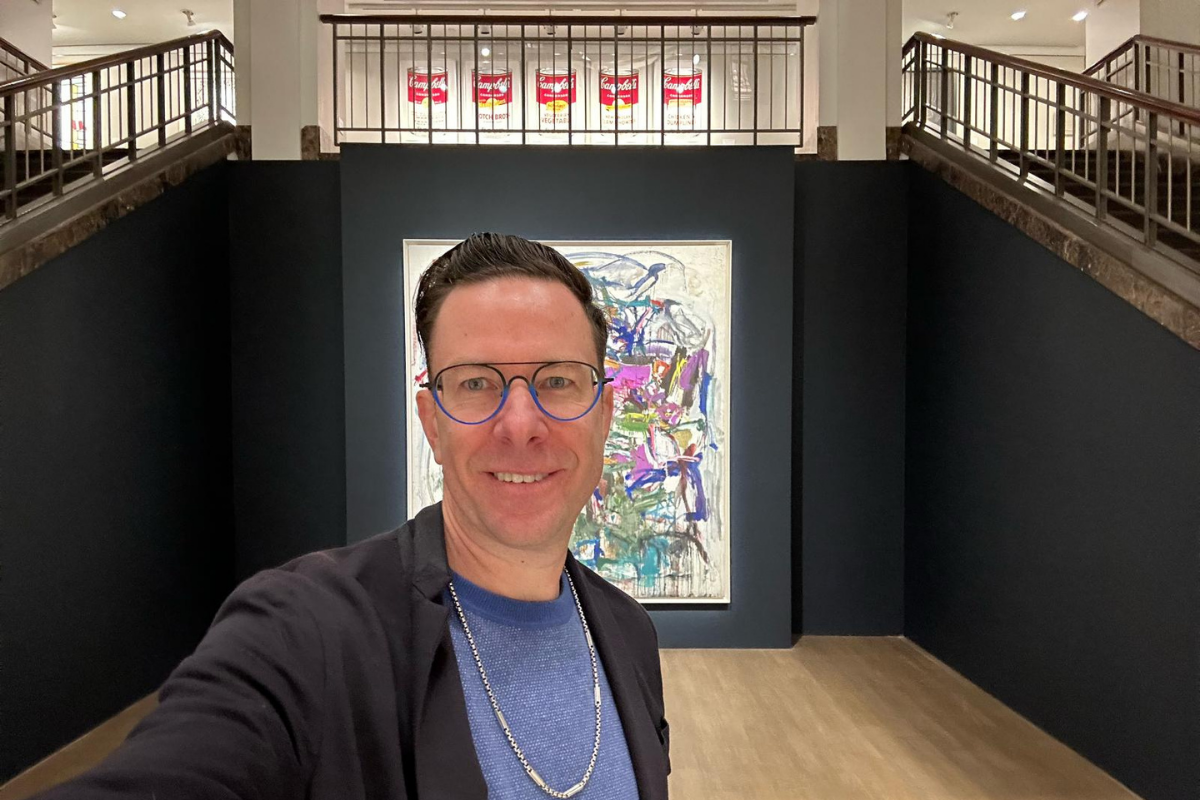
Art Advisor, Dane Jensen, founder of Dane Jensen Fine Art LLC is an expert at bidding / buying at auction for collectors, museums and other organizations. His advisory is client-first and considers ALL the factors throughout the process from lot/artwork selection, condition vetting, predictive value modeling, interest intelligence, guarantees, bidding strategy and post-auction administration and logistics. Reach out and experience the confidence and advantage that comes with working with Dane and his 25+ years of insider expertise that puts an auction buyer in the position to win.
Identifying your selection
It is important to pre-determine fundamental acquisition questions—what artists are the ones that fit with your collection, what specific markets are good, and which artworks represent advantageous opportunities. This can require often looking at upwards of 1,200 artworks/lots in the New York sales alone. There are always great opportunities but in a crowded field they may not be easily visible. A work can look a certain way in the auction catalog, but “feel” different in person. Doing an initial selection with an advisor is collaborative and can open new pathways for a collection to expand or add important works.
Refining your short list
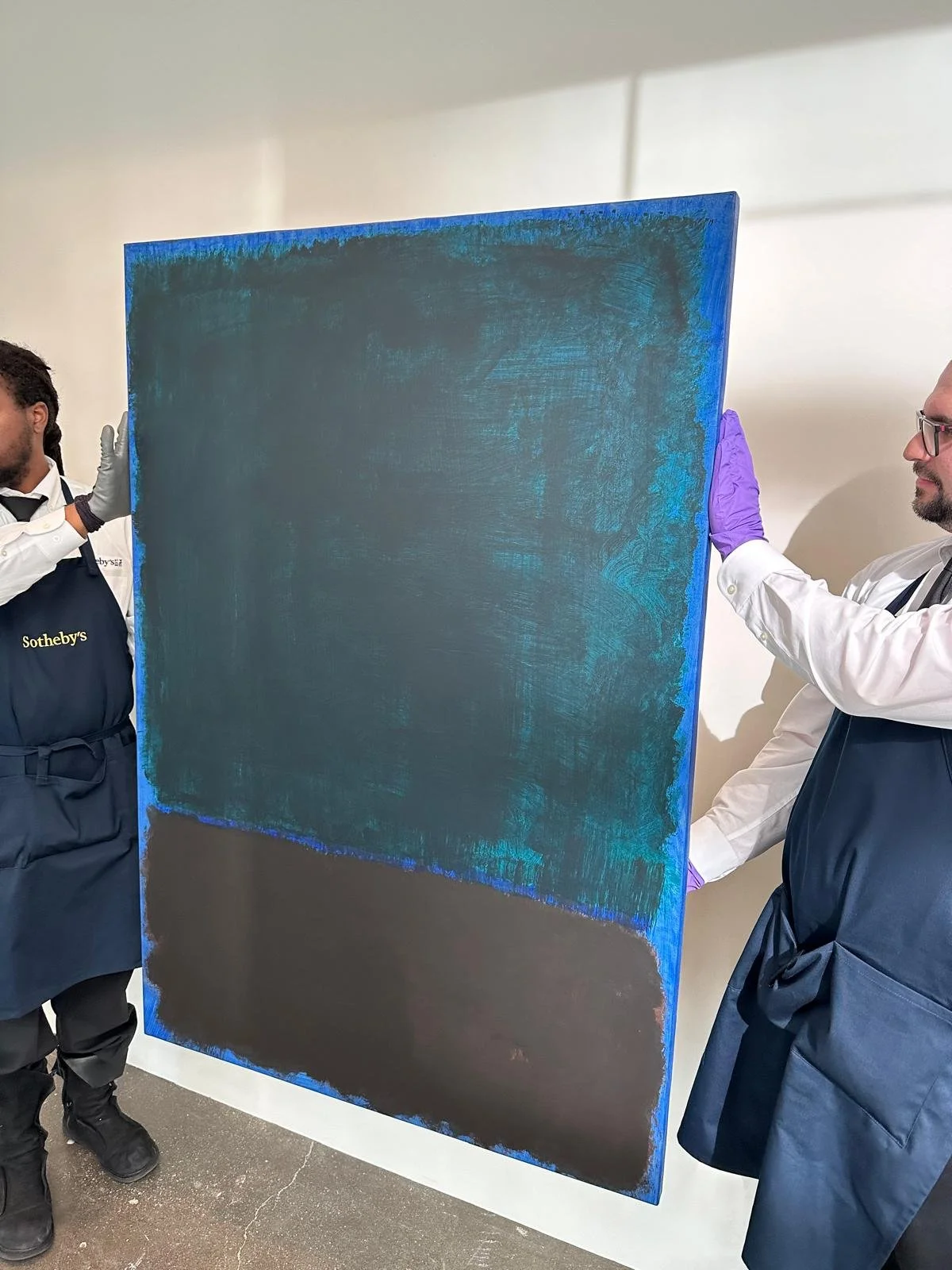
Understanding the condition, strength of image and the estimate versus the expectations for each lot (or artwork) is immensely important. One needs to not only be able to analyze the condition but also understand the context for condition for each artist (i.e. are all the canvases for this artist lined?). Other factors such as guarantees also can come into play. Does it make sense to try to negotiate a guarantee an artwork one is interested in acquiring? There will always be some works that need to be crossed off the list due to poor condition, and others that should be passed on for other factors, such as fit with the collection, strength of image and final hammer projections.
Creating your bid strategy
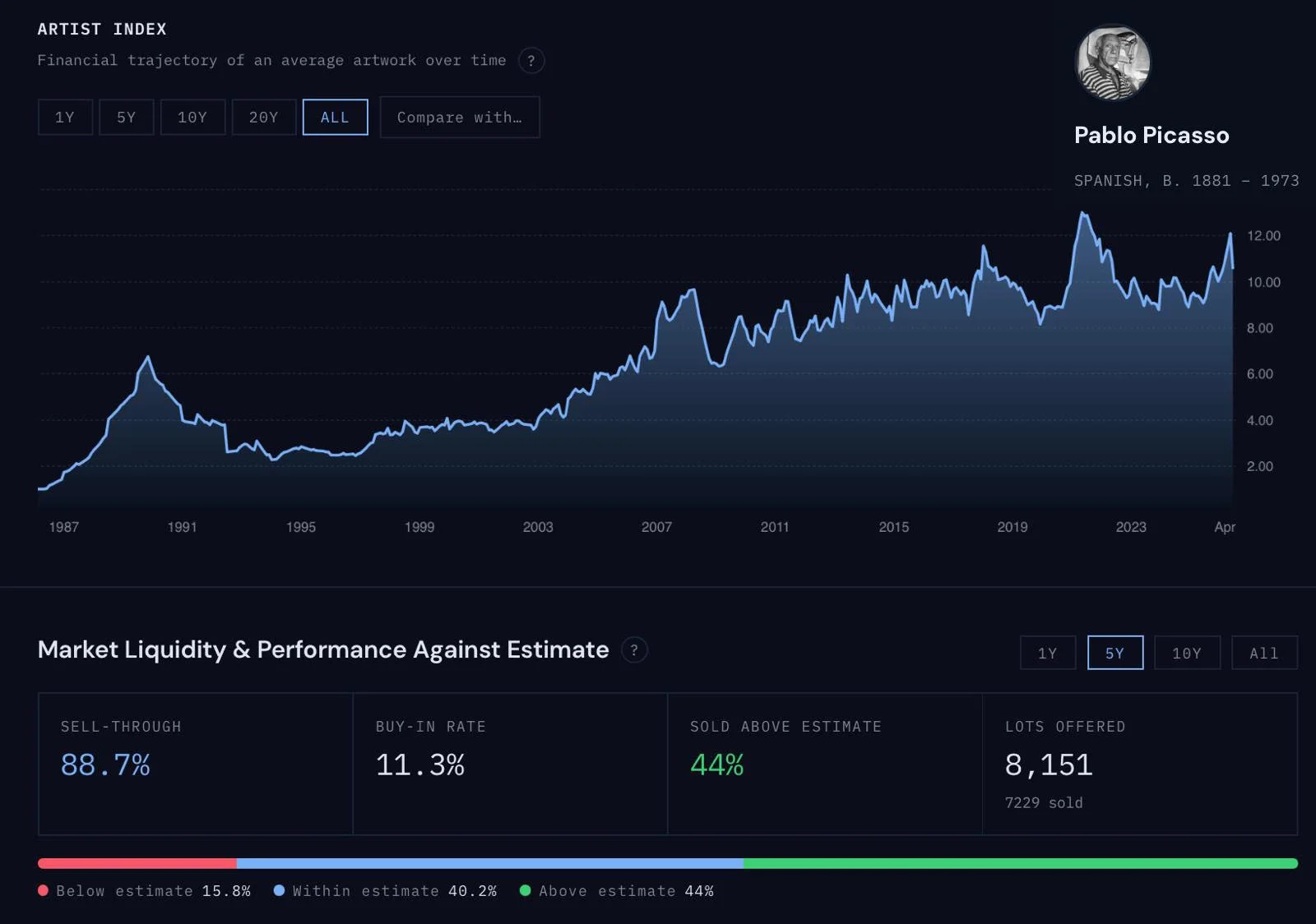
It is paramount to establish a clear bid strategy on the works you plan on bidding on, before the auction. Determining the market value of each work helps a collector see if their budget matches the market. This is done through examining past data and tracking interest in the days or hours leading up to the auction. This preparation gives a buyer confidence of what level to bid to, and when to push or not. An estimate, in theory, is where an artwork will sell, but as an expert, I will tell you, some artworks will be known ahead of time to far surpass their estimates. Don’t waste your time with works outside of your budget and expectations. Focus on opportunities that check all the boxes.
Registration and insider advantages
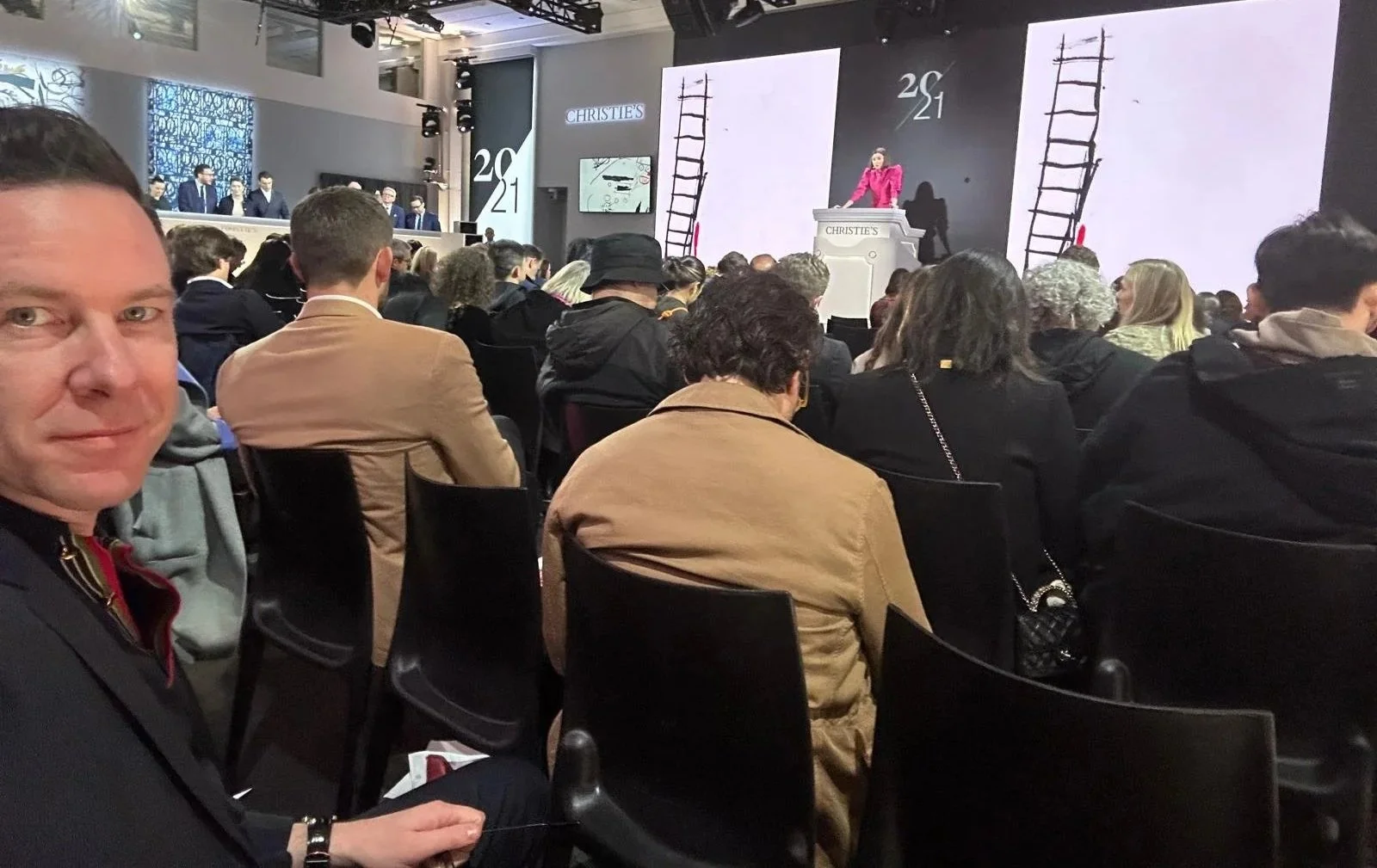
A client will need to be registered for specific lots or sales which can vary from client to client and their history with the auction house. With high value lots some clients will need to be prepared to produce financial documents in order to complete their registration. Various options exist as to how to bid—from placing an absentee bid, to phone bidding, online, or live in the room (or a combination). Certain strategic advantages such as splitting bids can only implemented in specific bidding platforms so selecting the right option can be the difference between winning and losing. Having an art expertise alongside you, will give you the advantage of insider leverage over the competition, as well as ease the burden of the registration process.
Implementing your bidding strategy
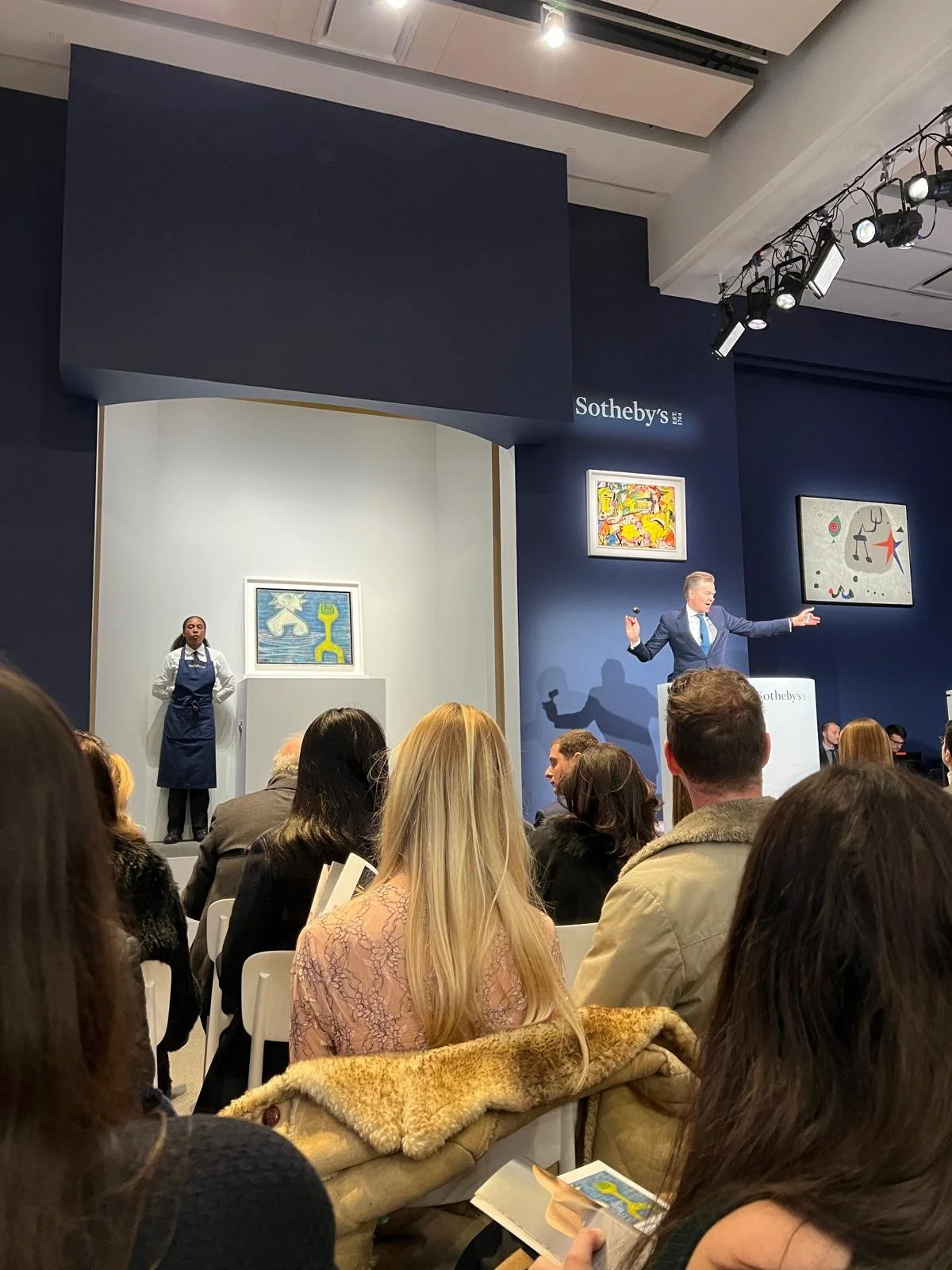
Bidding—with the proper preparation—can be free of surprises. You need to understand timing, “footing”, and how to ensure that your top bid is delivered on increment. Do you want to get into the action early or late? Various bidding techniques can be employed to speed up or slow the bidding to one’s advantage. The important thing is to be prepared and implement a strategy with some flexibility built in. An art advisor gives you this confidence.
Controlling post-auction expenses
The goal during the post-auction process is to ensure that a winning bidder receives their artwork in a timely and safe manner, while mitigating costs such as shipping and insurance. Shipping quotes can vary widely, and some shippers are not as safe or reliable. Ensure you are not cutting corners and receiving a damaged work or paying too much for a service that can be half the cost. A good avisor will have the network of the best shippers to save you money.
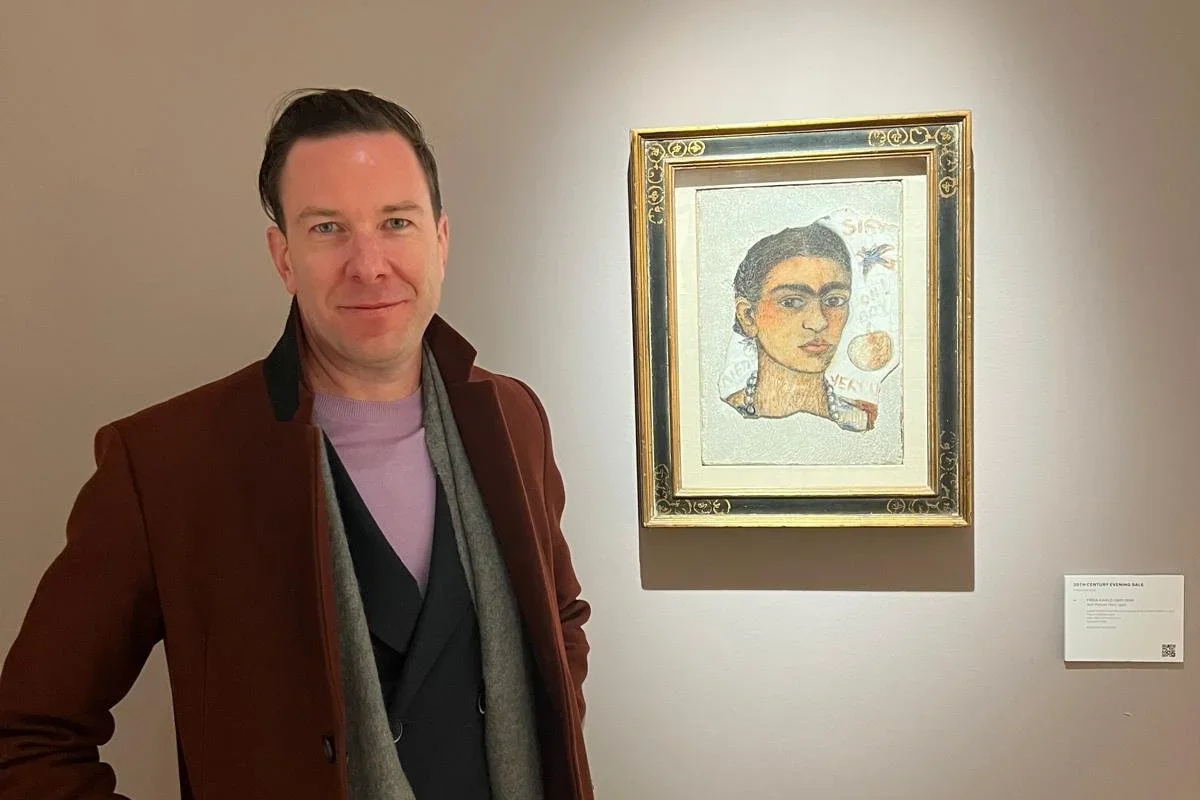
Dane won this rare and important Frida Kahlo at auction by using an aggressive combination of bidding strategies, on behalf of a California client.
Frida Kahlo (1907-1954)
Self Portrait (Very Ugly), 1933
Fresco on Celotex board
10 ¾ x 8 ¾ in. (27.3 x 22.2 cm.)
In addition, Dane has bought and sold works by Andy Warhol, David Hockney, Alexander Calder, Pablo Picasso, Joan Mitchell, Helen Frankenthaler and Jean-Michel Basquiat at major auction houses including Christie's, Sotheby's, Phillips and Bonhams.

For more on how to buy at auction and how Dane Jensen can work with you on the process, please reach out to 1-818-732-5804 or dane@danejensen.art